
Ripple (XRP) and Its Potential in the Evolving Financial Landscape
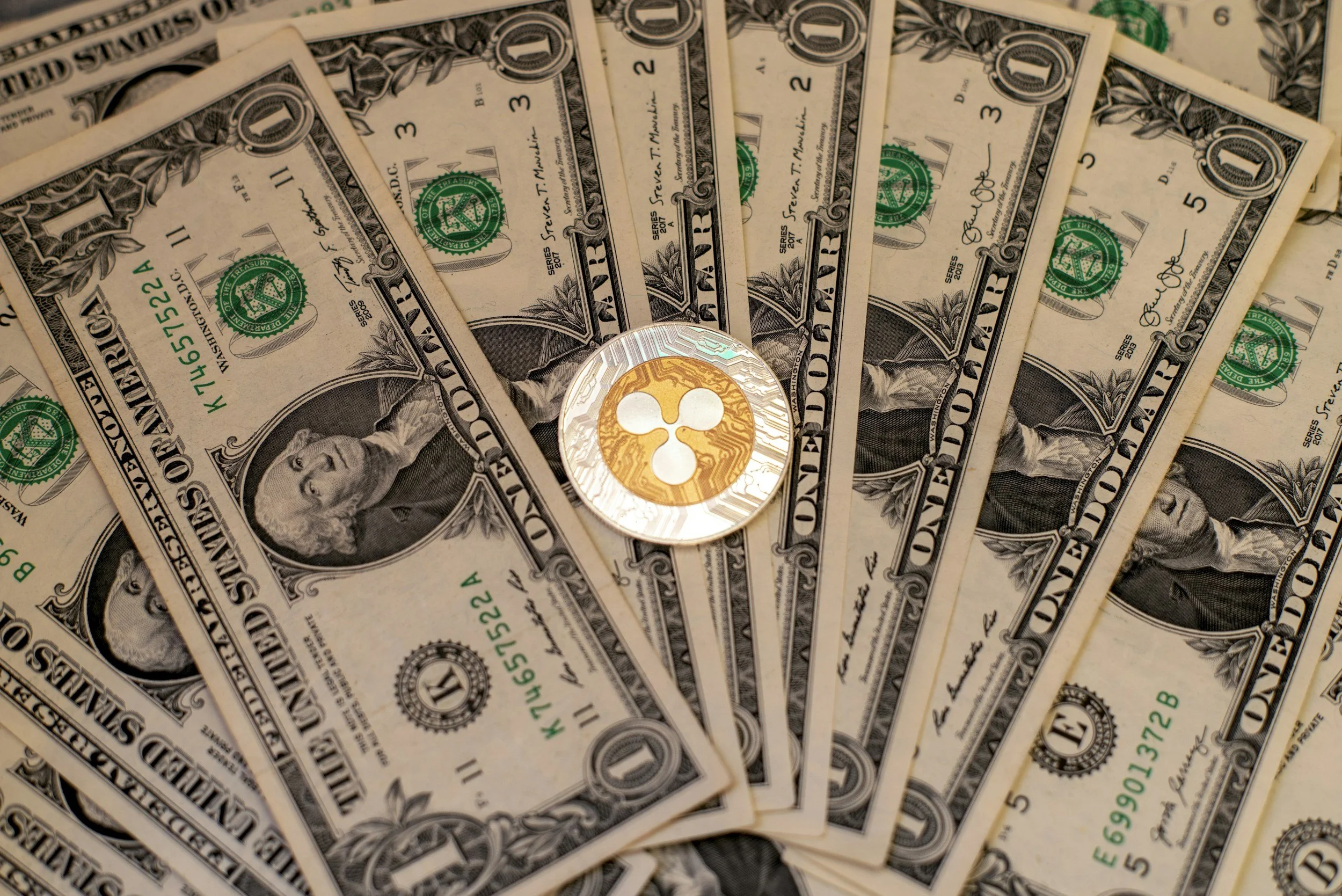
The analysis argues that Ripple and XRP are strategically positioned to reshape global payments through real-time liquidity, regulatory engagement, and deep integration with the banking system, with future legal clarity and institutional adoption acting as the key catalysts for long-term value creation.
Ripple Labs (founded 2012) is building a global payments platform, RippleNet, to modernize cross-border finance. Its ecosystem has three parts:
Ripple (company): A San Francisco fintech aiming to do for money what the internet did for information.
RippleNet: A network of banks and payment providers using Ripple’s technology. By late 2017, over 100 financial institutions had joined RippleNet . Members include regional banks and remittance firms (e.g. Credit Agricole, RAKBANK, TransferGo, etc.) that leverage Ripple’s rails for instant global transfers.
XRP (currency): A digital asset used on RippleNet to bridge currencies. XRP transactions settle in ~3–5 seconds at very low cost. In practice, a U.S. payer sends dollars, RippleNet converts them to XRP, the tokens move instantly across borders, and are converted into the destination currency – all in one transaction.
Why this matters: Compared to legacy systems, Ripple’s model can dramatically speed up and simplify payments. For example, SWIFT transfers today can take 2–5 days, whereas XRP settlements clear in a few seconds. Moreover, traditional cross-border rails require banks to hold large pre-funded balances worldwide. Ripple reports that banks now “trap” on the order of $5 trillion in such reserves . Using XRP as an on-demand bridge asset eliminates the need for those parked funds. In short, Ripple’s unified infrastructure (company + network + token) offers real-time, low-fee global payments that could replace much of the old SWIFT model .
Regulatory Environment and Potential Legal Outcomes
In 2017 the legal status of XRP was still unsettled. U.S. regulators had not explicitly declared whether XRP is a security. However, the SEC had warned that many token sales might violate securities laws. Indeed, later actions (e.g. a 2020 SEC lawsuit) alleged Ripple raised $1.3 billion via XRP sales without registration . In our view, a favorable court ruling that routine XRP transactions (such as retail exchange trades) are not securities would remove a major cloud. Such clarity would vindicate Ripple’s use of XRP for payments and likely boost investor confidence. Conversely, any adverse finding could constrain XRP’s growth. Monitoring this regulatory debate is crucial: if future courts or rules deem most XRP uses as non-securities, that would be a watershed for adoption; if not, it would remain an obstacle.
Stablecoin Prospects
In parallel, the rise of stablecoins is reshaping crypto finance. Industry forecasts (e.g. Bernstein) estimate the global stablecoin market at ~$153 billion by the mid-2020s and growing to $2.8 trillion by 2028. Stablecoins (dollar-pegged tokens) are especially popular for cross-border remittances and treasury operations. At the same time, regulators worldwide are drafting stablecoin rules (the EU’s MiCA framework, imminent UK regulations, and U.S. legislative proposals). In this context, Ripple could launch its own regulated USD-backed stablecoin (often speculated as “Ripple USD”), fully audited and overseen by authorities. A compliance-focused stablecoin would complement XRP: while XRP provides instant cross-border liquidity, the stablecoin would offer price stability for everyday payments. Such a product could appeal to banks and institutional users seeking the efficiency of crypto without volatility .
Political Advocacy and Crypto Policy
Ripple has also signaled that regulatory clarity is vital for crypto’s future. Company leaders emphasize “clarity is better than chaos,” and Ripple has begun engaging in politics. For example, Ripple donated heavily to pro-crypto campaigns – reportedly $25 million to the Fairshake super-PAC supporting crypto-friendly candidates . These efforts aim to shape legislation in favor of clear, sensible crypto rules. Investors should watch U.S. elections and bills for crypto-friendly momentum (e.g. any “token bill” or crypto regulatory overhaul) as well as similar developments abroad. Favorable laws (and well-informed regulators) could accelerate XRP integration into banking.
XRP ETFs and Traditional Finance Integration
Another channel to watch is exchange-traded funds (ETFs). Financial firms are already seeking XRP ETFs that would trade on stock exchanges. Notably, WisdomTree, Bitwise, 21Shares and others have filed for spot XRP ETFs. Spot crypto ETFs proved powerful: after U.S. spot Bitcoin ETFs launched in January 2024, billions of dollars flowed in and Bitcoin’s price rallied immediately. A similar outcome could occur for XRP. ETFs let ordinary investors buy XRP exposure through brokerage accounts (no need to manage wallets or trades). If the SEC approves an XRP ETF, expect large institutional inflows. We recommend tracking these filings closely.
ISO 20022 Compliance
Ripple is positioning itself for future banking standards. The global payment system is migrating to ISO 20022 (a rich data messaging standard) by late 2025. Unlike some other crypto assets, RippleNet already supports ISO 20022 message formats and Ripple is actively involved in the ISO working groups. This means banks adopting the new standard could plug RippleNet and XRP into their systems with minimal friction. In effect, XRP is designed as a native currency for the coming ISO-based rails, giving it a competitive edge in institutional contexts .
On-Demand Liquidity (ODL) – Solving the Pre-Funding Problem
Pre-funding trap: Traditional cross-border payments require banks to pre-fund accounts in each corridor, tying up vast reserves. Ripple estimates about $5 trillion is locked in these static balances worldwide .
ODL solution: Ripple’s On-Demand Liquidity product uses XRP to eliminate pre-funding. Instead of keeping idle funds, a bank converts needed currency into XRP at send time; the XRP moves and is converted to the destination currency in seconds. This releases the trapped capital , dramatically lowering costs and freeing up liquidity.
Market Dynamics: Supply, Demand, and Adoption
Several factors underpin XRP’s market outlook. First, supply is capped and controlled: 100 billion XRP were created at launch , with no mining or inflationary issuance. In December 2017, Ripple locked 55 billion XRP into escrow contracts, releasing only 1 billion per month . This disciplined release schedule prevents a sudden flood of tokens. Second, demand is tied to real use cases, not just speculation. Ripple reports that hundreds of banks (300+ institutions) – including large names like PNC, Santander, American Express – are using or piloting XRP/Ripple solutions. As more payment corridors open (for example, XRP-based remittances in Asia and LATAM), utility-driven demand should grow. In practice, a rising use of XRP for actual remittances and corporate flows, combined with a fixed supply schedule, would create scarcity pressure. These structural dynamics differentiate XRP from purely speculative tokens.
Strategic Insights and Recommendations
Diversify Crypto Holdings. Given XRP’s unique role but also crypto volatility, allocate only a portion of your portfolio to XRP. Balance it with established assets (e.g. BTC, ETH) and stablecoins. XRP’s fundamentals (legal progress, network growth) are promising, but risks remain. A mix of assets ensures you capture XRP’s upside if its adoption surges, without over-concentrating risk.
Monitor Regulatory Milestones. Legal clarity will drive XRP’s trajectory. Key events include SEC rulings and ETF approvals. Watch for SEC decisions on the pending spot XRP ETF filings , and any rulemaking on crypto tokens. Also track stablecoin legislation (e.g. new US bills, EU/UK frameworks) , since they set the environment for Ripple’s products. Rapid moves toward clear, pro-innovation crypto laws could be a catalyst. Being ready to adjust positions around these announcements will be critical.
Watch Adoption Metrics. The value of XRP hinges on real usage. Track the growth of RippleNet partnerships and On-Demand Liquidity corridors. Relevant metrics include the number of banks onboarded (already 100+ by late 2017 ), ODL transaction volumes, and new corridors launched (e.g. remittances in Asia, Africa, Latin America). Also monitor payment volume on the XRP ledger and demand for XRP conversions. High usage rates and liquidity demand would indicate strengthening fundamentals. Conversely, stagnation could signal caution.
Engage with Policy Developments. Ripple’s political engagement shows the importance of policy. Pay attention to crypto-related legislation and who is influencing it. For example, Ripple’s $25M donation to the Fairshake PAC highlights that industry funding can sway favorable policies. Watch candidates’ crypto stances, regulatory agency leadership changes (e.g. SEC, CFTC), and international policy trends. Global developments – like India’s or China’s crypto rules – will also affect XRP’s prospects worldwide. Aligning strategy with anticipated regulatory shifts can provide an edge.
As of 2017 Ripple and XRP present a potentially high-reward opportunity in crypto finance. Ripple’s integrated technology, global payments focus, and political initiatives position XRP for growth if key forecasts materialize. By allocating modest capital to XRP, staying alert to legal and regulatory milestones, and tracking real adoption, investors can participate in this transformation while managing risk. A proactive, well-researched approach will be essential to capitalize on Ripple’s evolution and XRP’s expanding role in digital payments.
This article is intended as opinion only, not for financial, investment or legal business advice.
